
What makes a 乌鸦传媒 course?
As the 乌鸦传媒鈥檚 Principal, I鈥檓 often asked how our courses actually work. And I always fear it鈥檚 unsatisfying, but the honest answer is that it鈥檚 up to each teacher. I鈥檝e always believed in finding exceptional educators, keeping them happy, and staying out of their way. Or, as it鈥檚 phrased on our website, our commitment to teachers is 鈥淭o support you in doing work you are proud of, understanding that this will sometimes be with support and resources and at other times with trust and autonomy.鈥� Partly this is because, as 乌鸦传媒 teacher Philip Freeman put it, teaching is not a profession but a constellation of professions. I don鈥檛 know all that much about teaching English, or carpentry, or music. And even within my own domain, I believe teaching at its best is a form of self-expression and shouldn鈥檛 be too standardized. All that said鈥� I do still have some big-picture ideas about teaching at 乌鸦传媒, which I wanted to share in this post.
With much helpful input from 乌鸦传媒 teachers, I crafted these ideas into a 乌鸦传媒 course 鈥渟tyle guide鈥�, accessible . For those with too many tabs open already, here are the headings: Thinking, Differentiation, Student Buy-in and Real-world Connections, Experiential Learning, Curiosity and a Sense of Wonder, Respecting Students鈥� Time, Challenge, Dialogue, Relationships, and Shared Responsibility. Below I鈥檒l elaborate on a few of these areas and provide examples of how they manifest at 乌鸦传媒. I鈥檝e also written about curiosity and a sense of wonder in a previous post.
Differentiation means providing different learning experiences to different students. This was much more difficult in my old job at UBC with hundreds of students in a lecture hall, and I don鈥檛 take for granted how differentiation becomes possible with a class of 20 students. At 乌鸦传媒 I recommend less lecturing (necessarily one-size-fits-all) and more working with individuals and small groups. In my own classes, I try to add extensions to all of my course materials for those seeking more of a challenge, while making clear what is required and what is extra. Project-based learning is also a great way to meet each student where they鈥檙e at 鈥� more on that below.
Respecting students鈥� time is one of the areas that most inspired me to start a school. It鈥檚 a clich茅, but I have vivid memories of staring at the clock for seemingly endless hours during my own school years. My guiding principle is that if I don鈥檛 have something to contribute, it is better to leave students to their own devices than to assign busywork. For the most part, 乌鸦传媒 students are busy people who put their free time to good, productive use. (In fact, the school is often vibrant past 6pm with club activities such as robotics!) Whenever I assign work, I try to consider the pedagogical benefits vs. the opportunity cost for my students. One of my favourite moments at 乌鸦传媒 was a student approaching me with a claim that the work was a waste of their time. Ultimately, I agreed with the substance of the claim, if not the delivery. Afterward, I felt it was a win on multiple levels: the student鈥檚 personal growth, their academic growth, and reinforcing our dialogic school culture.
(I think our 10am start to the school day also respects students鈥� time: the hours when teens often prefer to sleep can be spent sleeping, and the hours they鈥檙e required to be at school are generally good productive hours.)
Student buy-in, experiential learning and real-world connections are another pillar of 乌鸦传媒 courses. Many 乌鸦传媒 teachers, I think disproportionately many, have led other careers before teaching 鈥� be it research, engineering, performance arts, or childcare. I find that our varied backgrounds broaden our collective perspective as a teaching team and help us add real-world connections into the classroom, which in turn builds buy-in as students see the applicability of their learning. Another simple strategy suggested in the style guide is incorporating students鈥� interests into the classroom, be it a TV series, game, or even a popular meme (within reason!).
Project-based learning is often a good way to build buy-in and bring real-world connections to life in the classroom. Some of my favourite 乌鸦传媒 projects include redesigning an exhibit at the (you can still see our students鈥� work at the museum!), designing and constructing a custom bookshelf (in collaboration with the UBC ), and our annual book of student writing which we publish and distribute. Photos below:
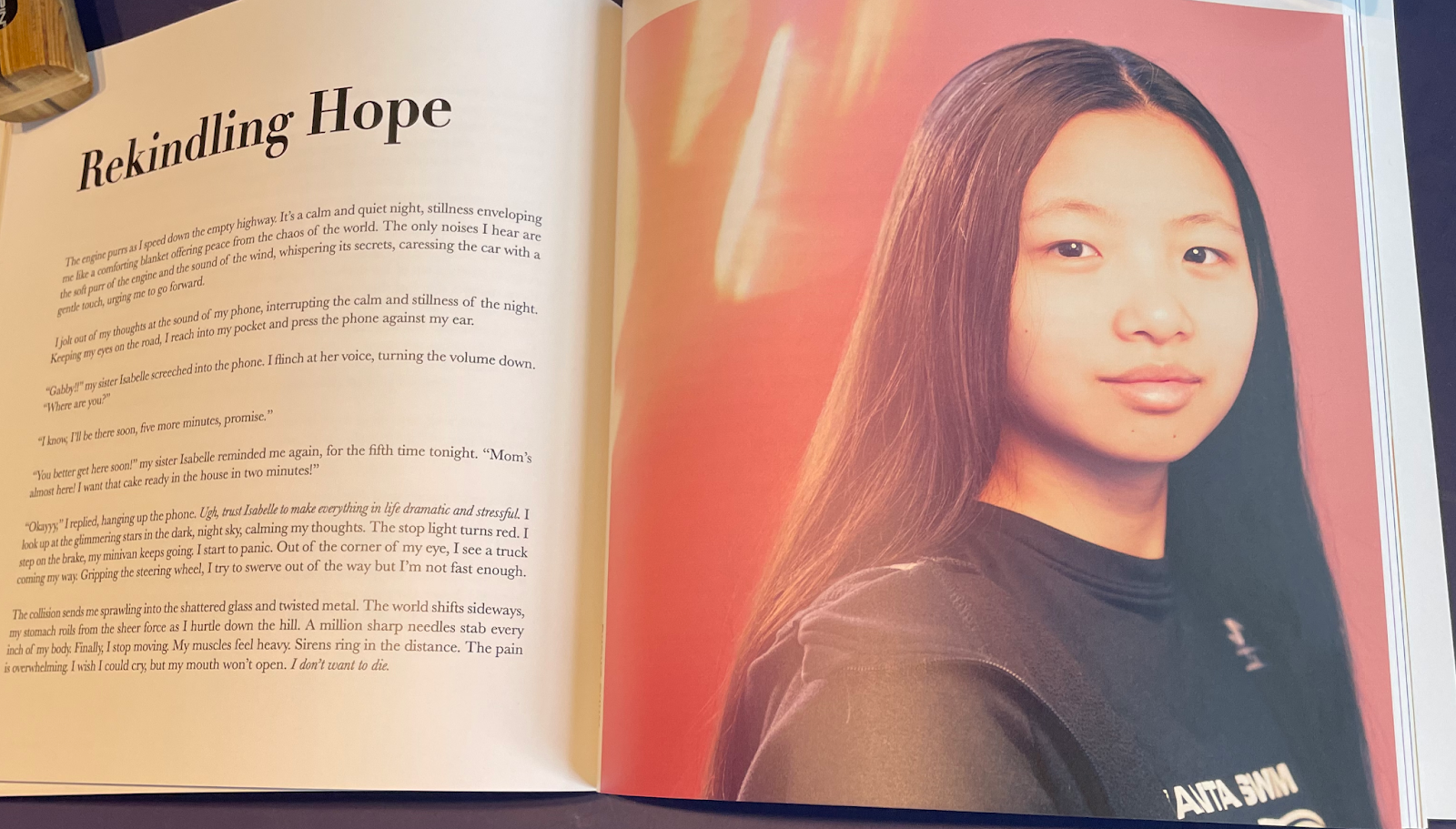
Page from the 2023-2024 乌鸦传媒 book of student writing, Beginnings
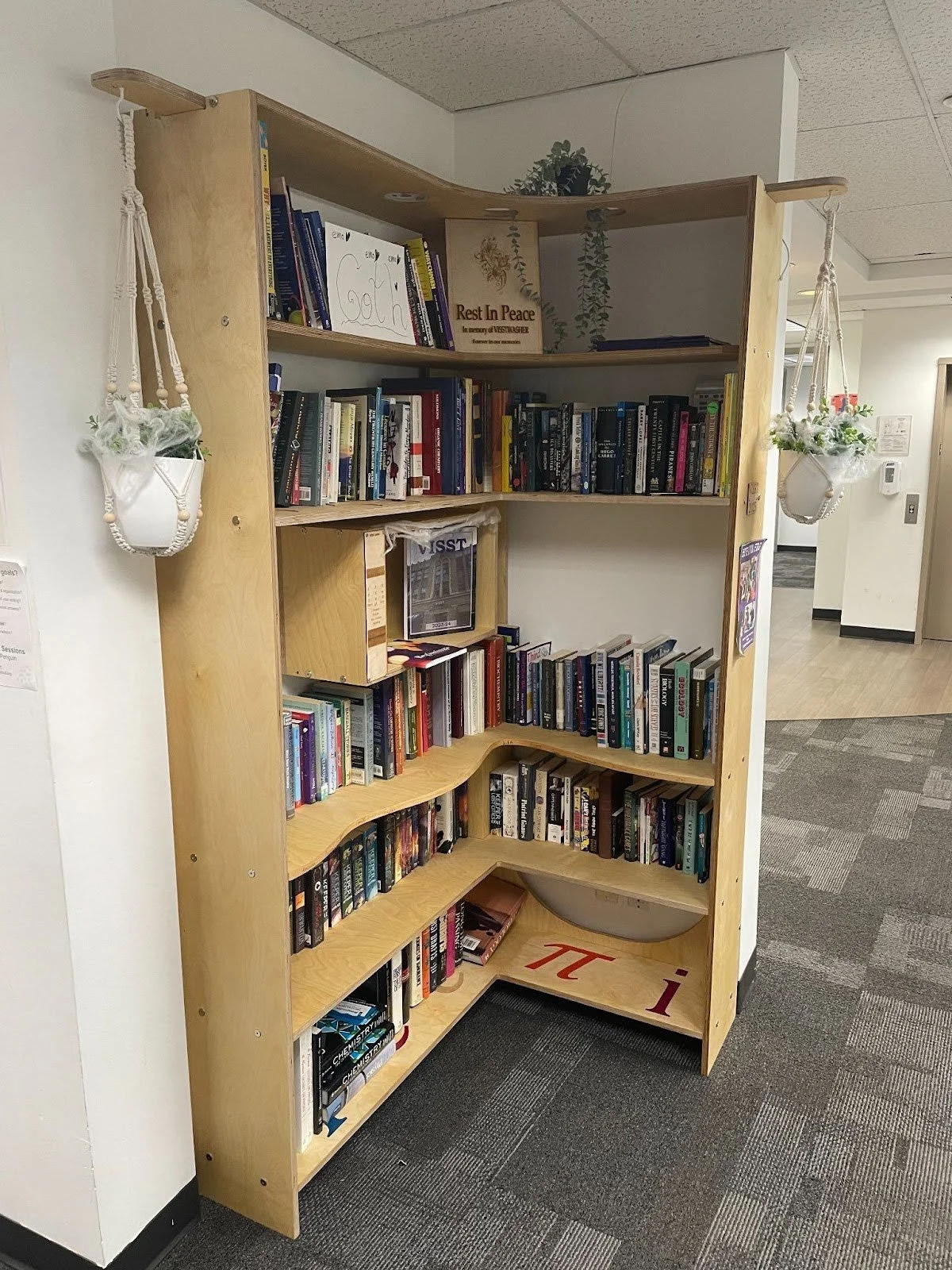
Custom corner bookshelf designed by the 2025 Grade 8 class
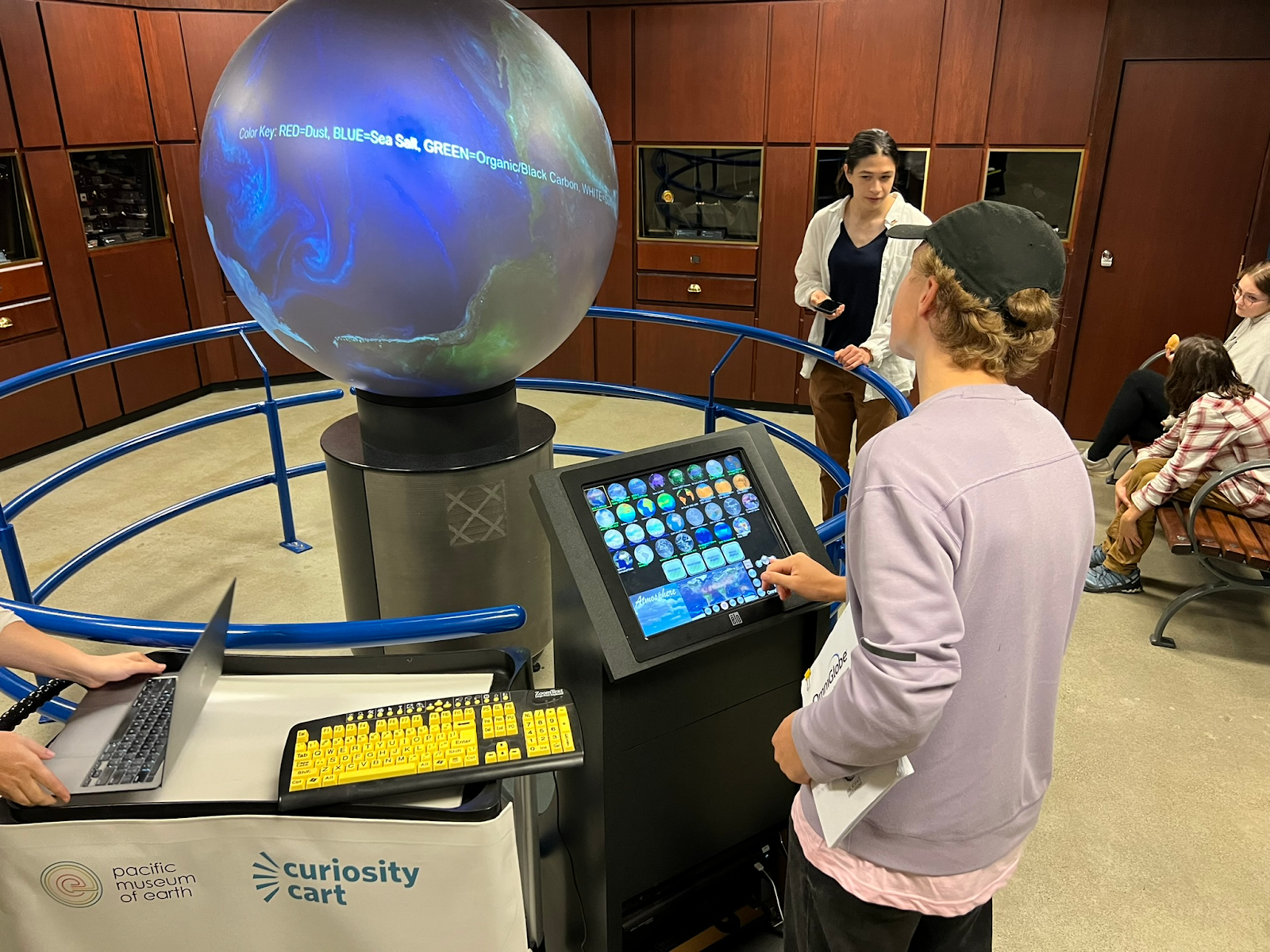
PME OmniGlobe user interface redesign by the 乌鸦传媒 Class of 2026
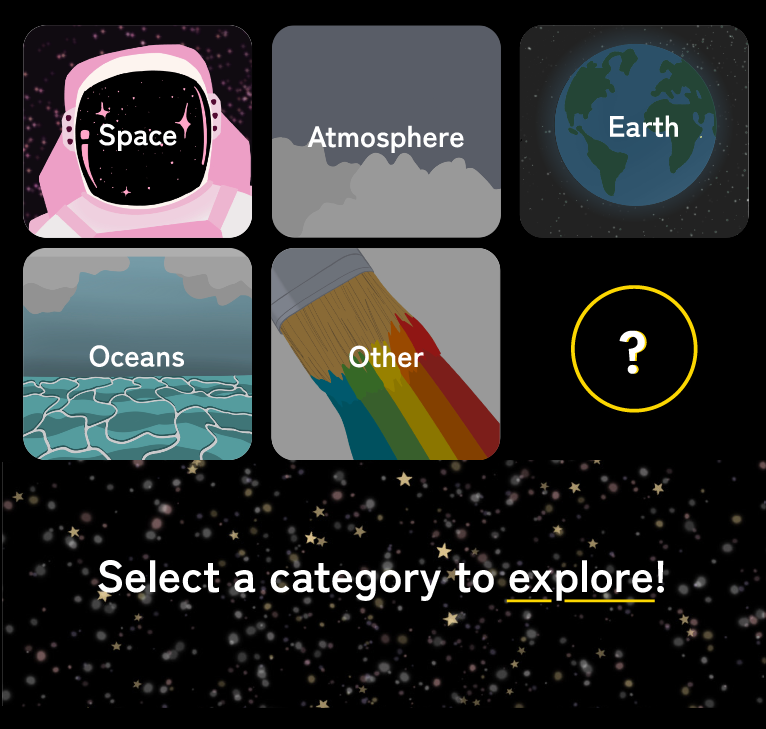
Student-made OmniGlobe icons
While these projects in disparate domains have little in common on the surface, they share a common thread: they all deliver value in the real world. When students experience the feeling of creating value, they build justified self-confidence. These projects also promote student buy-in, a sense of ownership, experience with ambiguity and messiness, and a sense of pride in one鈥檚 work.
Is every 乌鸦传媒 teacher required to include a major project in their course? No, but we all strive to promote student buy-in and real-world connections in our own ways. Likewise, there is no ban on lectures, or quota for bonus questions, etc. But even thinking of teaching as a constellation of professions, where the implementation details may vary greatly between disciplines and between teachers, we as the 乌鸦传媒 teaching team are building a shared educational vision. It鈥檚 still tough to offer a pithy summary of how our courses run, but hopefully these pillars shed some light on what makes a course a 乌鸦传媒 course.
If you enjoyed this post, consider joining the 乌鸦传媒 mailing list at !